The F-150 is a workhorse, but like any truck, it has a few recurring issues that tend to surface as mileage climbs. The trick is catching the early hints before a small annoyance turns into a bigger repair.
If you know what to watch for, you can usually spot trouble early, plan the fix, and avoid getting surprised at the worst time.
1. Misfires From Worn Spark Plugs And Tired Coils
If the truck hesitates, stumbles under load, or idles roughly, spark plugs and coils are a common place to start. Plugs wear gradually, so the change can feel subtle at first, especially when you’re accelerating gently or climbing a grade. Coils can act up more when the engine is hot or when you ask for power.
What to check: look at service history for plugs, pay attention to whether the issue is worse under load, and don’t ignore a flashing check engine light.
2. Timing And VVT Issues From Dirty Oil Or Long Intervals
Variable valve timing systems rely on clean oil and the right pressure to control cam timing accurately. When oil gets dirty or thick from long intervals, parts like solenoids can stick and timing control can get sloppy. We’ve seen trucks come in with rough idle, sluggish response, or odd noises on startup that traced back to oil condition and timing control behavior.
What to check: verify oil change history, confirm the correct oil spec was used, and pay attention to noises or drivability changes that repeat on cold starts.
3. Cooling System Leaks That Start Small
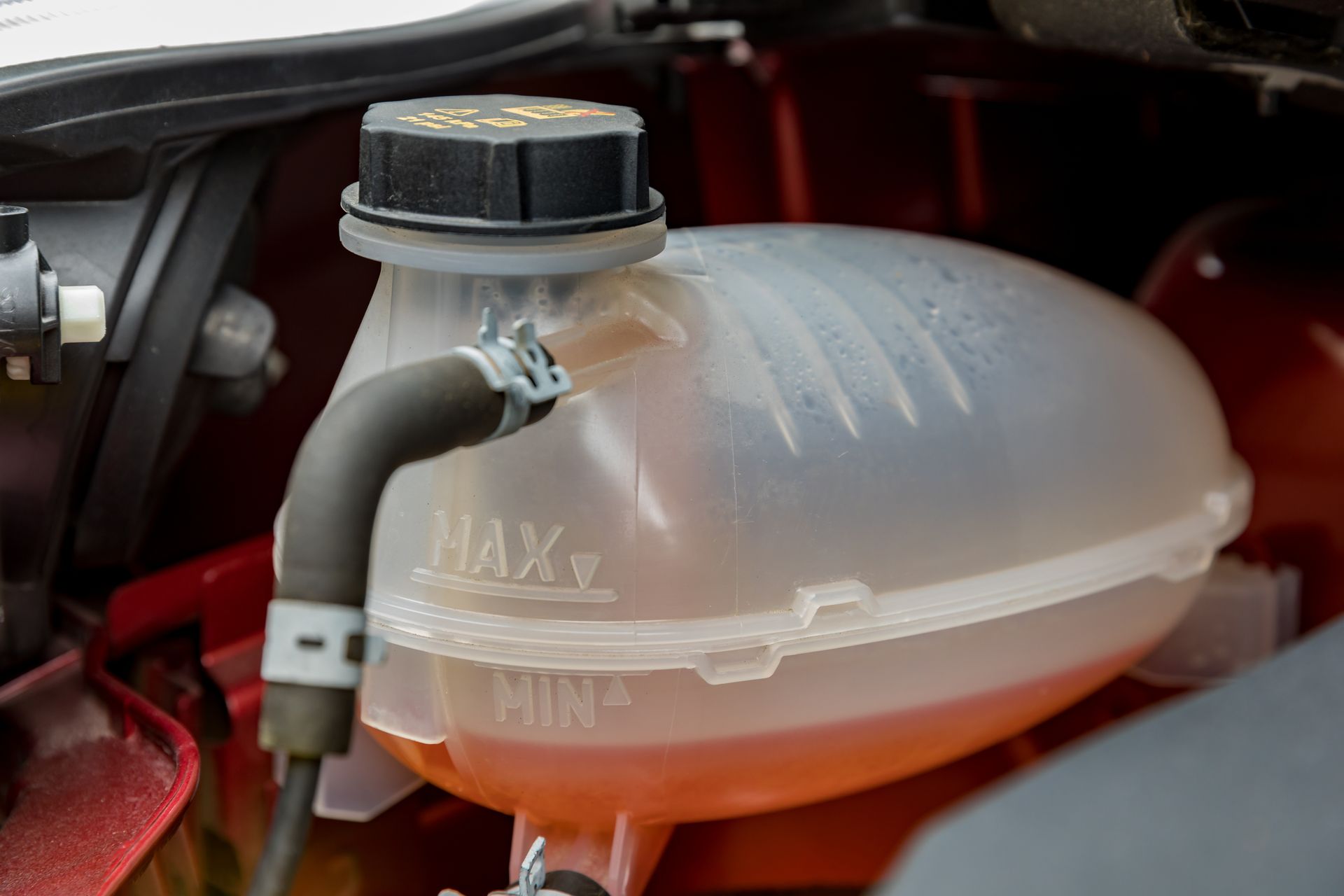
Cooling system leaks often begin as a slow seep that never leaves a puddle. A little coolant can evaporate on hot parts, leaving only a faint sweet smell after driving or a low reservoir level every couple of weeks. If the truck runs low on coolant even once, it can run hotter than it should under load.
What to check: monitor coolant level when the engine is cold, look for crusty residue near hose connections and plastic housings, and take temperature gauge changes seriously.
4. Turbo And Charge Air Leaks On Boosted Engines
On turbocharged F-150 engines, a small boost leak can feel like a lazy pull, a soft surge, or a hiss you didn’t hear before. Leaks can come from charge pipes, clamps, rubber couplers, or intercooler connections, and they can show up most when you’re merging or towing. Sometimes the truck drives fine around town, then feels off when you get on the throttle harder.
What to check: listen for new air noises under acceleration, watch for reduced power on hills, and look for loose clamps or oily film around charge connections.
5. Transmission Shift Complaints And Fluid Condition
Harsh shifts, delayed engagement, or a shudder can have more than one cause, but the fluid condition is a big factor on many trucks. Heat and heavy use break fluid down over time, and old fluid can change how the transmission behaves. It’s also possible for mounts or driveline play to mimic a transmission problem, especially if you feel a clunk during gear changes.
What to check: confirm whether the fluid has been serviced, note when the issue happens most (cold vs warm, light vs heavy throttle), and avoid ignoring a new shudder that keeps repeating.
6. Four Wheel Drive And Front Hub Issues
Four wheel drive systems add capability, but they also add parts that can wear or leak. Some trucks develop front end noises that change when switching between two wheel and four wheel drive, and sometimes it’s tied to vacuum lines, hub engagement, or front axle components. We see this most when the truck is used regularly in wet conditions or the system isn’t exercised for long periods.
What to check: test four wheel drive operation periodically, pay attention to grinding or clicking that changes with drive mode, and don’t assume it will go away on its own.
7. Steering And Suspension Wear That Eats Tires
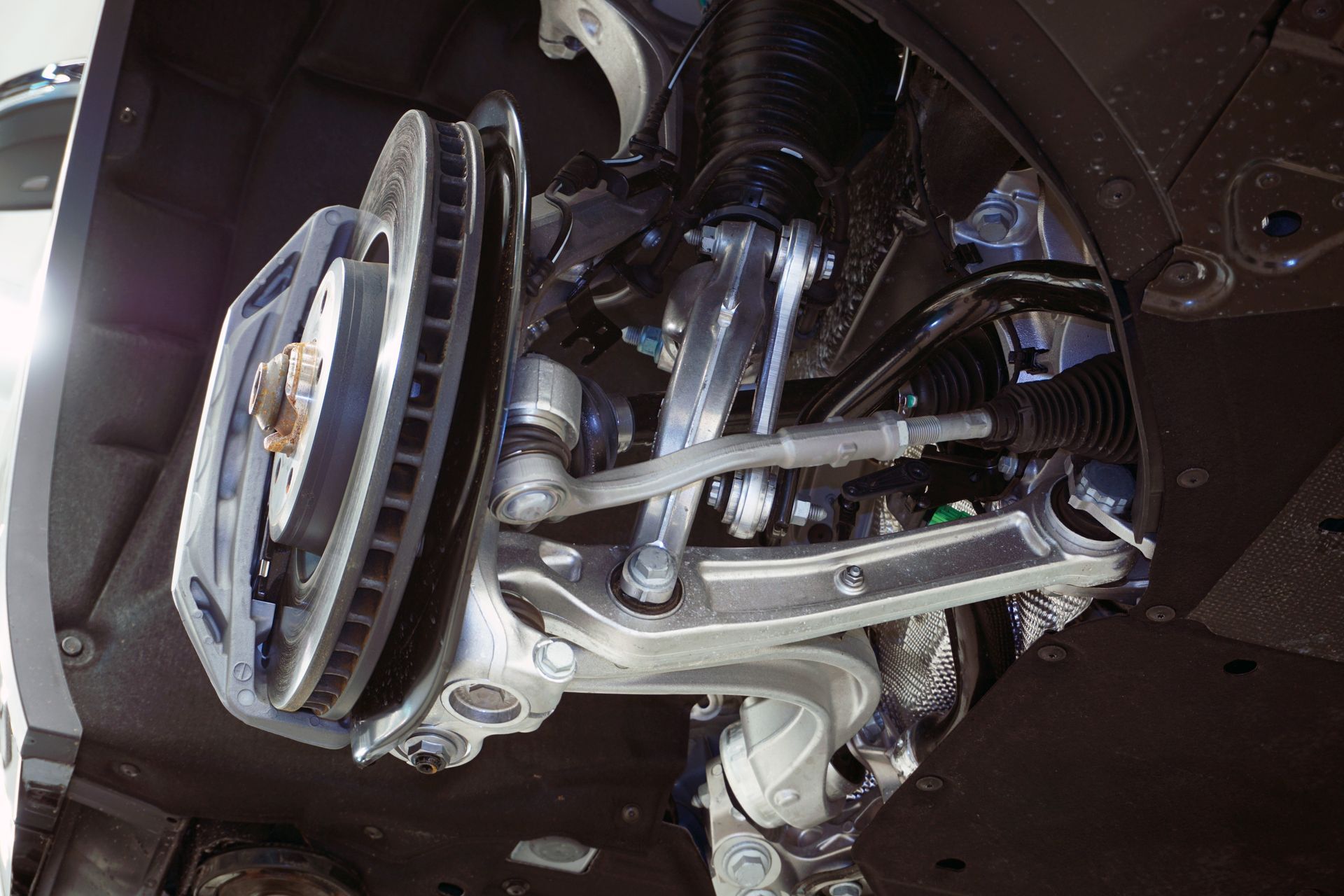
If the steering feels loose, the truck wanders, or tire wear starts looking uneven, suspension and steering wear should be on the list. Tie rods, ball joints, and control arm bushings can loosen gradually, so the truck may still feel okay until you’re at highway speed or braking on rough pavement. Once parts loosen, alignment angles can shift while driving, and tires pay the price.
What to check: inspect tire wear patterns, note any clunks over bumps, and don’t postpone an alignment if the steering wheel is no longer centered.
8. Electrical Gremlins From Weak Batteries Or Poor Connections
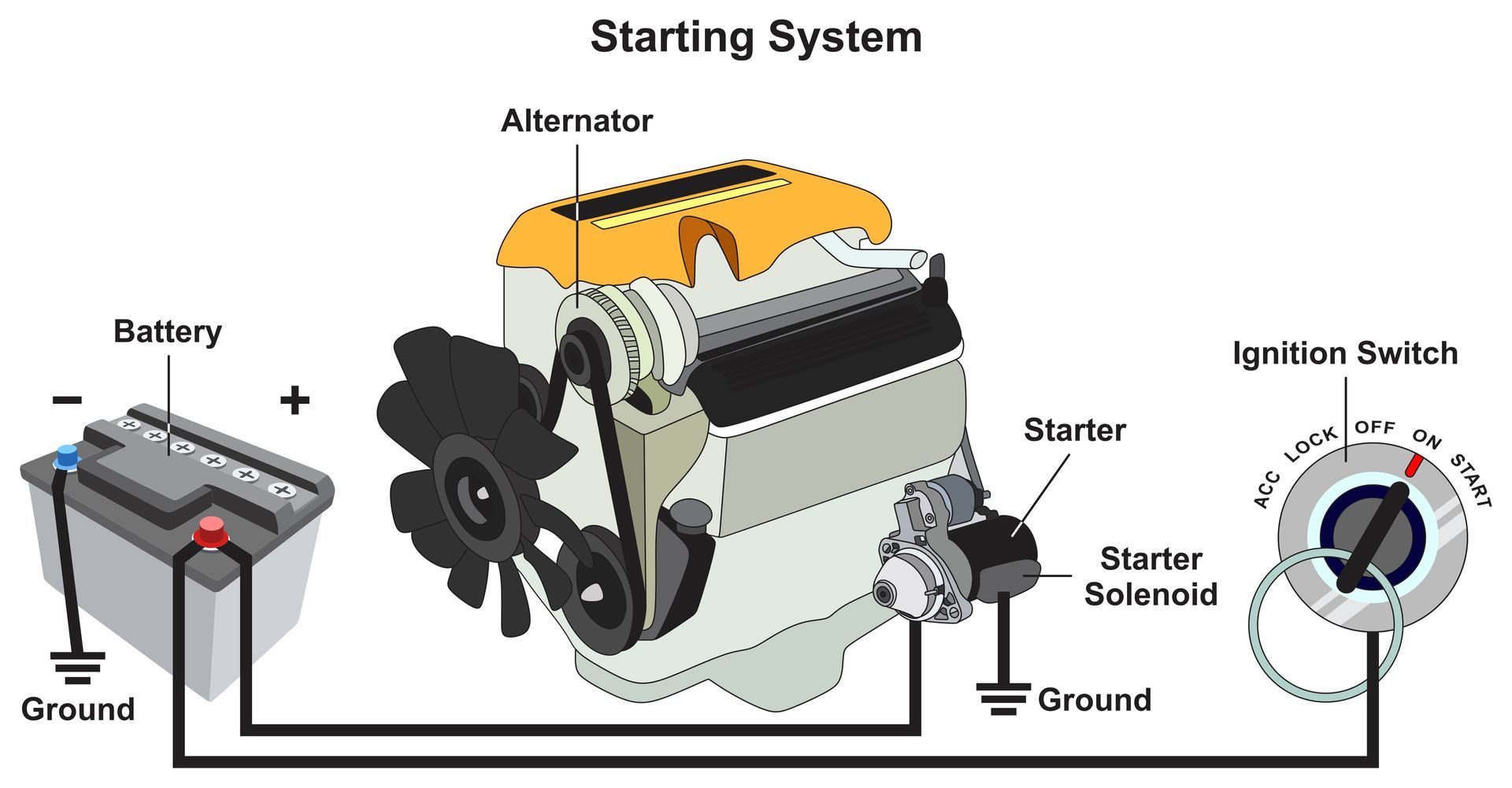
Modern trucks pull a lot of power, and weak batteries or corroded connections can create odd behavior that feels random. You might see intermittent warning lights, slow cranking, flickering interior lights, or accessories that act inconsistently. Trailer wiring and aftermarket add-ons can also introduce issues if they’re tied into constant power.
What to check: inspect battery terminals for corrosion, confirm grounds are clean and tight, and if the battery is older, get it tested under load instead of guessing.
Get F-150 Service in Glen Burnie, MD with Maryland Auto & Truck Repair
If your F-150 is showing early signs like odd shifts, coolant loss, front end noises, or a check engine light that won’t quit, we can inspect the common trouble areas and pinpoint what’s actually going on. We’ll explain what we find and help you prioritize what should be handled now versus what can be scheduled.
We’re ready when you are, and we’ll help you keep your truck reliable for the miles ahead.