A truck engine can work hard for years, but it still gives warnings when something is starting to go wrong. The trouble is that some signs feel easy to explain away. A little smoke, a slower start, a hotter temperature gauge, or a new noise might not seem serious at first.
Truck engine problems can move fast because these vehicles are built to carry weight, tow, idle, and handle demanding work. Once the engine is under load, small issues can become expensive in a hurry.
Why Truck Engine Problems Need Quick Attention
Truck engines endure more strain than those in many passenger cars. They are used for towing, hauling, job sites, long commutes, and stop-and-go driving with extra weight. That means heat, oil pressure, fuel delivery, cooling, and airflow all have to stay in good shape.
When one system starts falling behind, the rest of the engine feels it. Our technicians look at warning signs early because a truck that still drives today can be close to a much larger repair if the cause is ignored.
Low Oil Pressure Is A Serious Warning
An oil pressure warning on the dashboard should never be treated like a routine reminder. Oil pressure is what moves oil through the engine to protect bearings, camshafts, timing parts, and other moving components. If pressure drops too low, internal engine wear can happen quickly.
Low oil level, worn internal parts, a failing oil pump, sludge, or a pressure sensor issue can all be involved. The safest move is to stop driving as soon as it is safe and have the truck checked. Driving farther can turn a repairable issue into engine damage.
Overheating Can Damage The Engine Fast
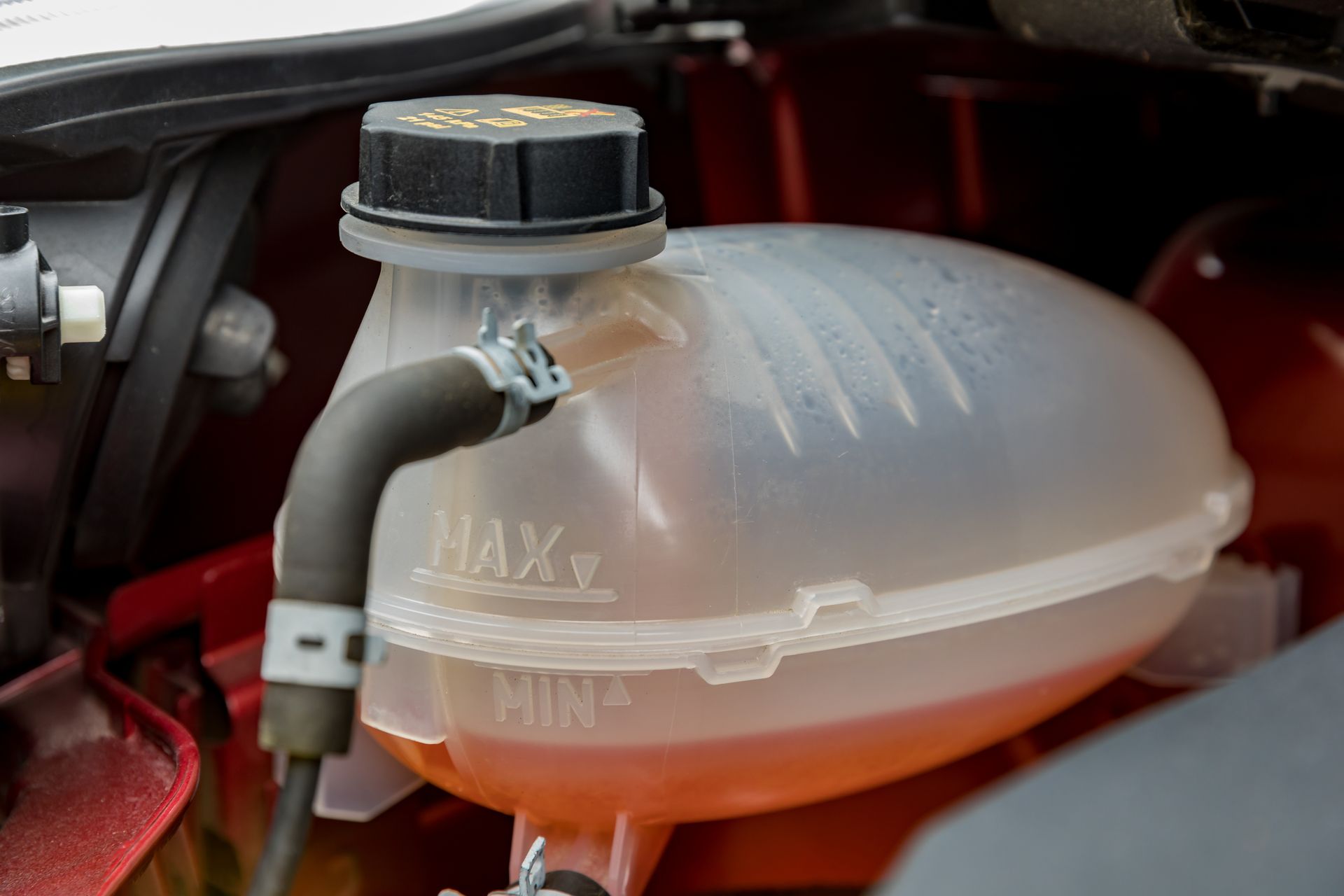
A rising temperature gauge, steam, a coolant smell, or repeated low coolant level needs attention right away. Trucks work hard, and overheating under load can damage head gaskets, cylinder heads, seals, and internal engine parts. The longer the engine stays hot, the less forgiving the repair becomes.
Coolant leaks, water pump failure, bad thermostats, clogged radiators, weak fans, and damaged hoses are all common causes. Adding coolant might help for a short time, but it does not fix the reason the truck overheated. A cooling system inspection can find the source before heat causes more serious damage.
Knocking, Ticking, Or Heavy Engine Noise
Engine noises deserve respect, especially when they are new or getting louder. A light ticking sound can come from low oil, valve train wear, exhaust leaks, or lifter issues. A deeper knocking sound can point toward bearing wear or internal engine trouble.
A truck engine can sometimes keep running even as a serious noise develops. That does not mean it is safe to keep pushing it. If the noise changes with RPM, worsens under load, or appears at low oil pressure, the truck should be checked before it is driven hard again.
Loss Of Power While Towing Or Accelerating
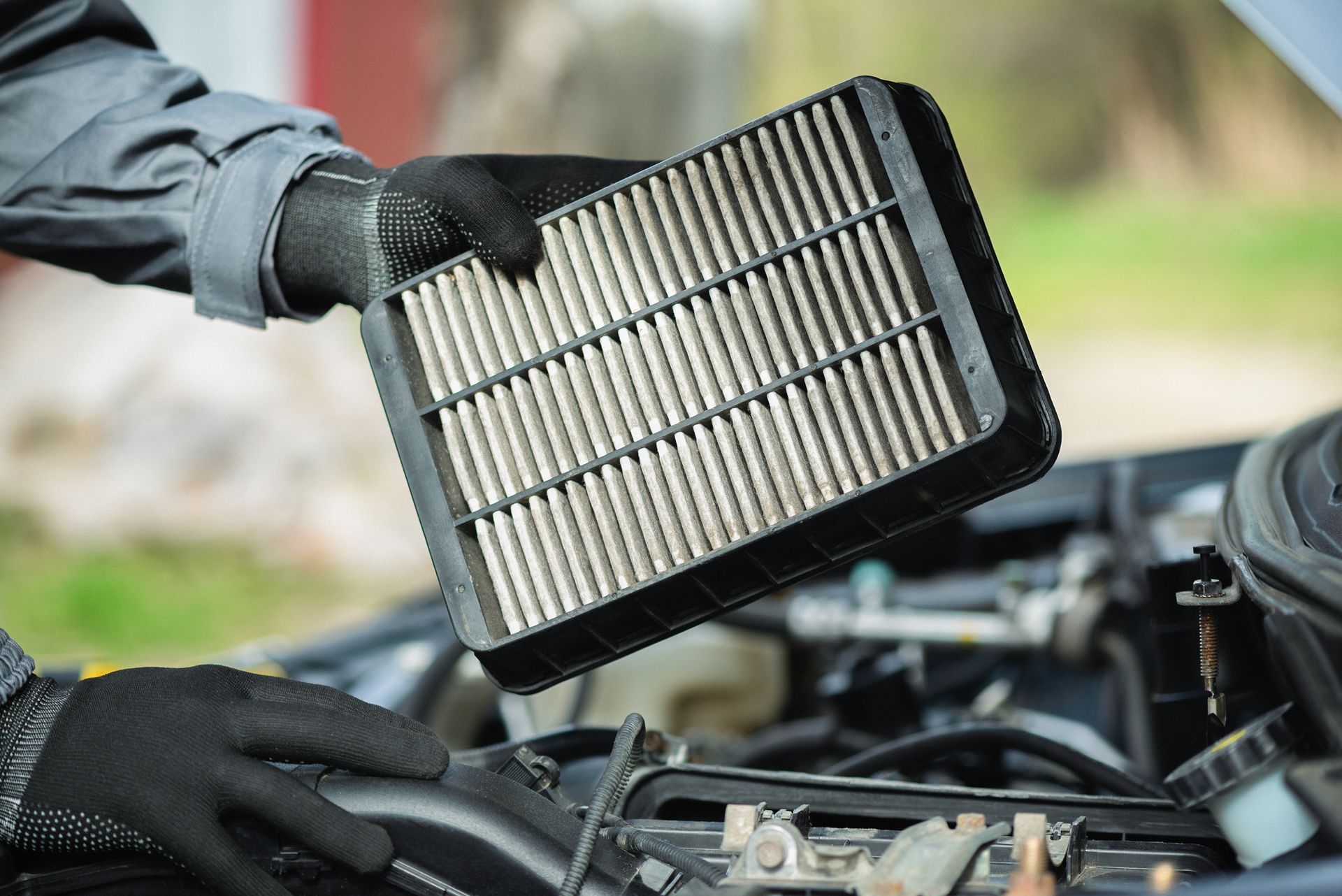
A truck that struggles to accelerate, tow, or climb hills is telling you something has changed. Power loss can result from fuel delivery issues, turbo problems on equipped engines, clogged filters, ignition problems, exhaust restriction, compression loss, or sensor problems. The cause depends on the engine and how the symptom shows up.
This kind of problem can feel manageable during light driving, then become much worse when the truck is asked to work. We pay close attention to when power loss occurs because that detail helps distinguish between fuel, air, ignition, and mechanical issues.
Thick Exhaust Smoke
Exhaust smoke can reveal useful clues. White smoke that persists after warmup can indicate coolant entering the combustion chamber or fuel that is not burning correctly. Blue smoke usually points toward oil burning. Black smoke often means too much fuel, not enough air, or a combustion problem.
A small puff at startup is not always a major concern, but thick smoke that returns, smells unusual, or appears under acceleration needs testing. Smoke can point toward injector problems, turbo seals, worn rings, valve seals, coolant leaks, or fuel control issues.
Rough Starts, Misfires, And Shaking
A truck that cranks longer than normal, shakes at idle, misfires under load, or feels uneven during acceleration should not be ignored. Spark plugs, ignition coils, injectors, fuel pressure, compression, vacuum leaks, and sensor faults can all create rough running.
Misfires are especially important because they can damage catalytic converters and put extra stress on the engine. Regular maintenance helps prevent some of these issues, but once the truck starts shaking or misfiring, it needs testing before the problem spreads.
Why Acting Fast Saves Money
Truck engine repairs usually get more expensive when warning signs are ignored. Low oil pressure can damage bearings. Overheating can lead to head gasket failure. A misfire can damage the exhaust system. A small coolant leak can become a roadside breakdown.
The best time to check a truck engine is when the symptom is still specific. A noise, smell, warning light, power loss, or temperature change gives a shop a clearer path to the cause. Waiting until the truck quits leaves fewer options and often results in a higher bill.
Get Truck Engine Repair In Glen Burnie, MD, With Maryland Auto & Truck Repair
If your truck is overheating, losing power, smoking, knocking, misfiring, or showing an oil pressure warning, Maryland Auto & Truck Repair in Glen Burnie, MD, can inspect the engine and find the cause.
Bring it in before a warning sign turns into major engine damage or unwanted downtime.