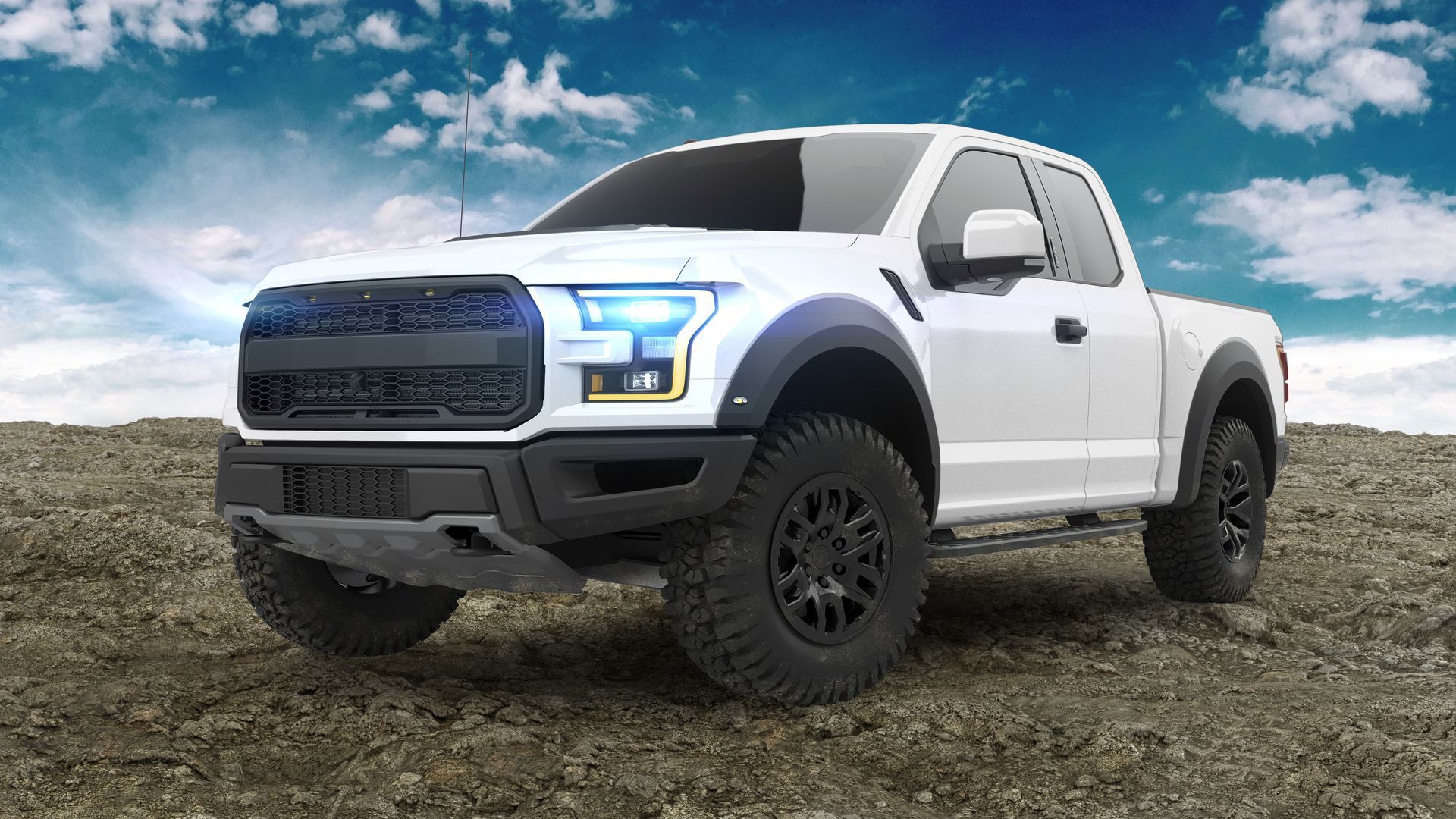
Trucks and RVs are not built around the same job as a small commuter car. They are asked to pull weight, carry weight, climb grades, idle for long periods, travel long distances, and keep moving with a heavy load behind them. That changes what matters under the hood.
Gas engines can be strong, and plenty of them tow well when properly equipped. Diesel engines, though, have a few design advantages that make them a natural fit for many trucks and RVs. The difference is not only about power. It is about how that power is made, where it shows up, and how the engine handles work over time.
Diesel Engines Make Strong Low-RPM Torque
Torque is one of the biggest reasons diesel engines are so common in trucks and RVs. Torque is the twisting force that helps a vehicle get heavy weight moving and keep it moving without constantly revving high.
Diesel engines usually make strong torque at lower RPM. That matters when pulling a trailer from a stop, climbing a hill, merging with a loaded RV, or moving through traffic with equipment in the back. The engine can do hard work without needing to scream near the top of the tachometer.
That low-speed pulling strength makes diesel power feel steady. The vehicle may not feel as flashy as a high-revving gas engine, but it feels confident under load, and that is exactly what many truck and RV owners need.
Heavy Vehicles Need Power That Lasts
A truck or RV engine is not only judged by how quickly it accelerates once. It has to handle long stretches of demand. Think about pulling a camper up a grade, driving a loaded work truck through summer traffic, or running an RV for hours on the highway with the A/C working hard.
Diesel engines are built around high compression and heavy internal forces. As a result, they often use strong engine blocks, crankshafts, pistons, rods, bearings, and cylinder heads. The design is meant to handle pressure and load.
That does not make a diesel engine impossible to damage. Poor maintenance, contaminated fuel, overheating, bad oil, or ignored warning signs can still lead to expensive repairs. But the foundation of a diesel engine fits the kind of work trucks and RVs are expected to do.
Fuel Efficiency Under Load Is A Big Advantage
Diesel engines are often more efficient than gas engines when pulling or carrying heavy weight. Diesel fuel contains more energy per gallon, and diesel combustion is well suited for steady work under load.
That advantage becomes more noticeable in trucks and RVs because weight changes everything. A gas engine may need to downshift more often and run at higher RPM to hold speed. A diesel engine can often pull with less effort, depending on the vehicle, gearing, terrain, and load.
For owners who travel long distances, tow frequently, or use a truck for work, fuel efficiency under load can make a real difference over time. It is not only about miles per gallon on paper. It is about how much fuel the engine uses while doing the job it was bought to do.
Turbochargers Help Diesels Pull Hard
Most modern diesel trucks and RVs use turbochargers. A turbocharger forces more air into the engine, helping it produce more power and torque. When the system is healthy, the engine can pull hard without feeling strained.
Turbo diesel power is especially useful when climbing grades or towing at highway speed. The engine can boost and keep the vehicle moving with a loaded trailer or heavy coach.
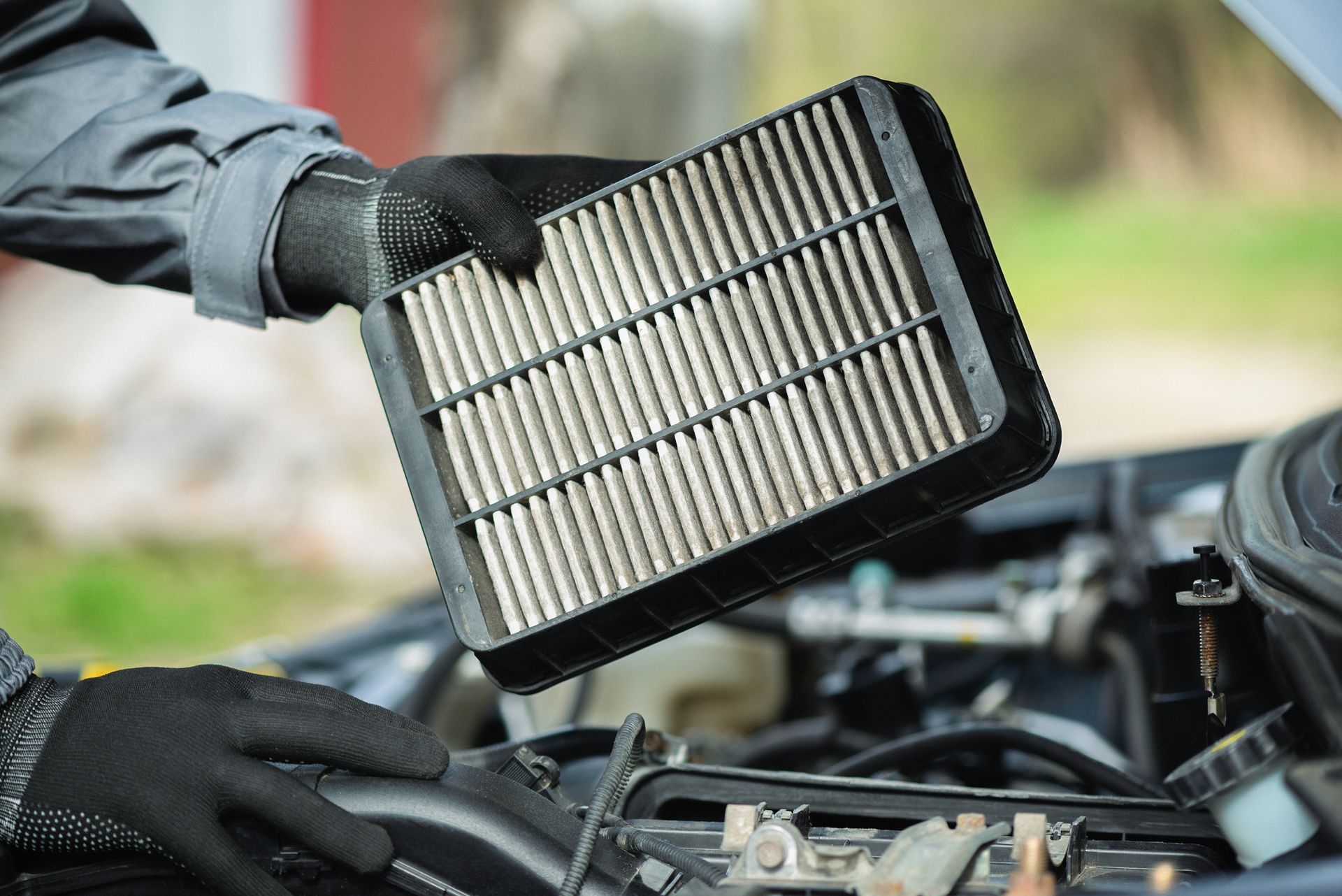
The turbo system needs care, though. Boost leaks, dirty air filters, oil problems, exhaust restrictions, sensor issues, or worn turbo parts can make a diesel feel weak, smoky, or slow to respond. Clean oil and good air filtration are important because the turbo spins at extremely high speed and lives in a hot environment.
Diesel Engines Are Built Into Stronger Platforms
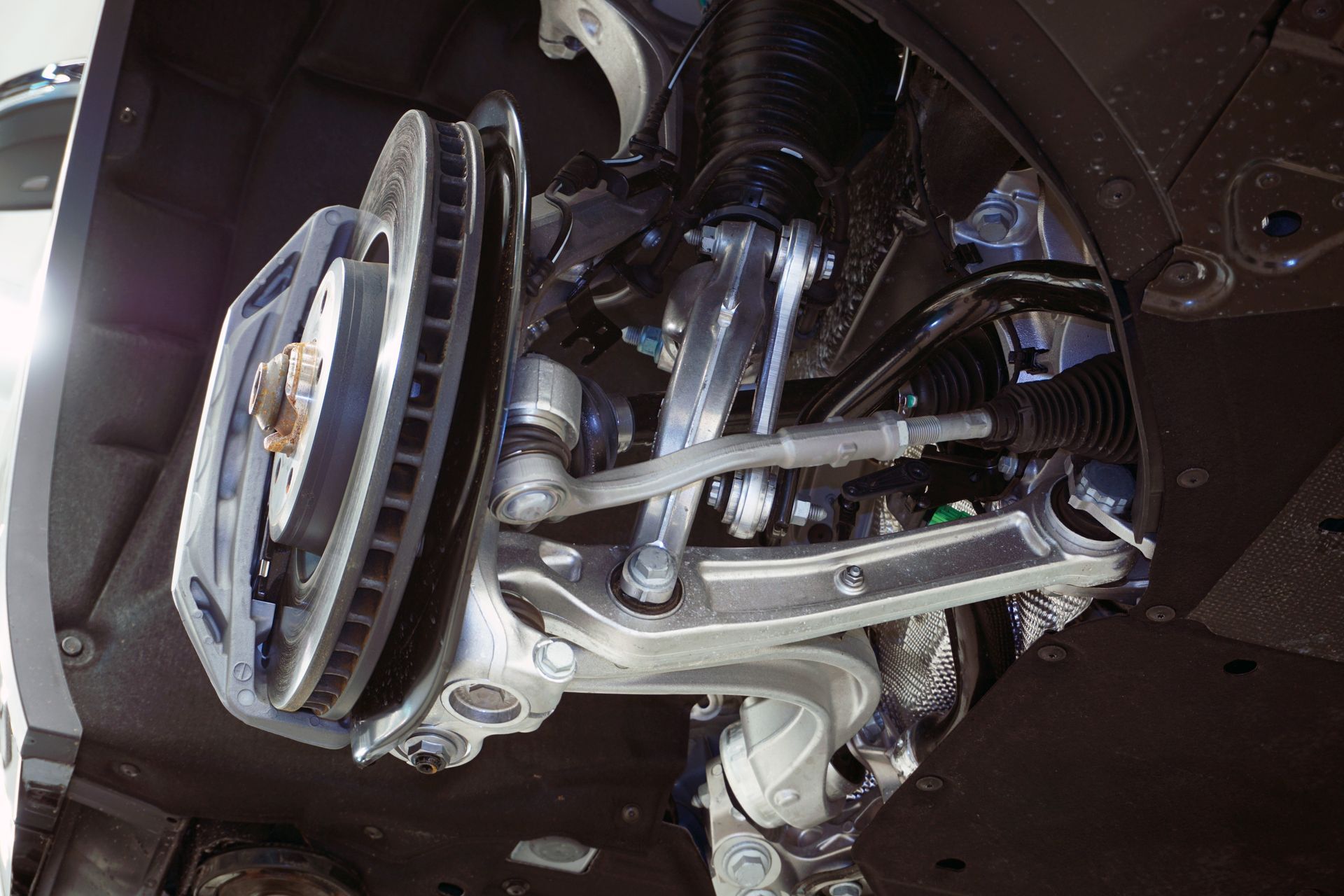
The engine is only one part of the reason trucks and RVs use diesel. The vehicle around the engine is usually built for heavier work too. Diesel trucks and diesel-powered RVs often have stronger transmissions, larger cooling systems, heavier driveline components, stronger brakes, and suspension systems designed for load.
That matters because towing and hauling are not engine-only jobs. A truck with plenty of power still needs a transmission that can handle heat, brakes that can stop the weight, tires rated for the load, and a cooling system that can handle long climbs.
A diesel drivetrain works best when the whole vehicle is maintained as a system. Ignoring transmission fluid, differential fluid, brakes, tires, cooling parts, or fuel filters can take away the advantage the diesel engine gives you.
Diesel Maintenance Is Different From Gas Maintenance
Diesel engines need a different kind of attention. Oil service, fuel filters, coolant condition, air filters, batteries, glow plugs on equipped engines, turbo systems, emissions components, and fuel system health all matter.
Fuel quality is especially important. Modern diesel injection systems operate at very high pressure. Contamination, water in the fuel, or neglected filters can damage expensive components. Oil also works hard in a diesel engine due to heat, soot, and load.
Regular maintenance is not optional if the truck or RV is expected to work. A proper inspection should include the engine, fuel system, turbocharger, cooling system, transmission, driveline, brakes, tires, and visible leaks.
Why Diesel Is Not Always The Better Choice
Diesel is excellent for many trucks and RVs, but it is not automatically the right choice for every driver. If a vehicle is used mostly for short trips, light loads, and occasional local driving, a gas engine may be simpler and less expensive to own.
Diesel engines cost more to buy and can cost more to repair. Modern emissions systems also need the engine to reach proper operating temperature and be driven in a way that allows the system to function correctly. Short, low-speed trips can be hard on some diesel systems.
The right choice depends on how the vehicle is used. Frequent towing, heavy payload, long highway travel, RV use, and commercial work are the situations where diesel strengths usually make the most sense.
Get Diesel Truck And RV Service In Glen Burnie, MD, With Maryland Auto & Truck Repair
If your diesel truck or RV is used for towing, hauling, travel, or heavy-duty work, Maryland Auto & Truck Repair in Glen Burnie, MD, can inspect the engine, fuel system, turbocharger, cooling system, transmission, brakes, tires, and drivetrain.
For diesel truck and RV service that helps your vehicle stay ready for the work ahead, contact us to schedule an appointment.
Most Common Questions From Our Customers About Diesel Trucks And RVs
Are Diesel Engines Better For Towing Than Gas Engines?
In many cases, yes. Diesel engines usually make more low-RPM torque, which helps trucks and RVs pull heavy weight with less strain.
Do Diesel Trucks Cost More To Maintain?
They can. Diesel fuel systems, turbochargers, emissions parts, oil capacity, and filters can cost more, but proper maintenance helps prevent more expensive failures.
Why Should A Diesel RV Be Serviced Before A Long Trip?
A diesel RV carries a heavy load over long distances, so the cooling system, fuel system, fluids, belts, tires, brakes, and batteries should be checked before travel.