When an engine develops low compression, heavy oil consumption, bearing damage, or another major internal problem, the next question is often whether to rebuild what you have or replace the engine altogether. Both options can get the vehicle back on the road, but the better financial choice depends on much more than the price of the engine itself.
We consider the vehicle's condition, the extent of internal engine damage, parts availability, labor, warranty coverage, and how long the owner plans to keep it. Spending less up front is not always cheaper in the long run, especially if the repair leaves other worn engine components untouched.
An Engine Rebuild Keeps the Original Engine but Renews Worn Parts
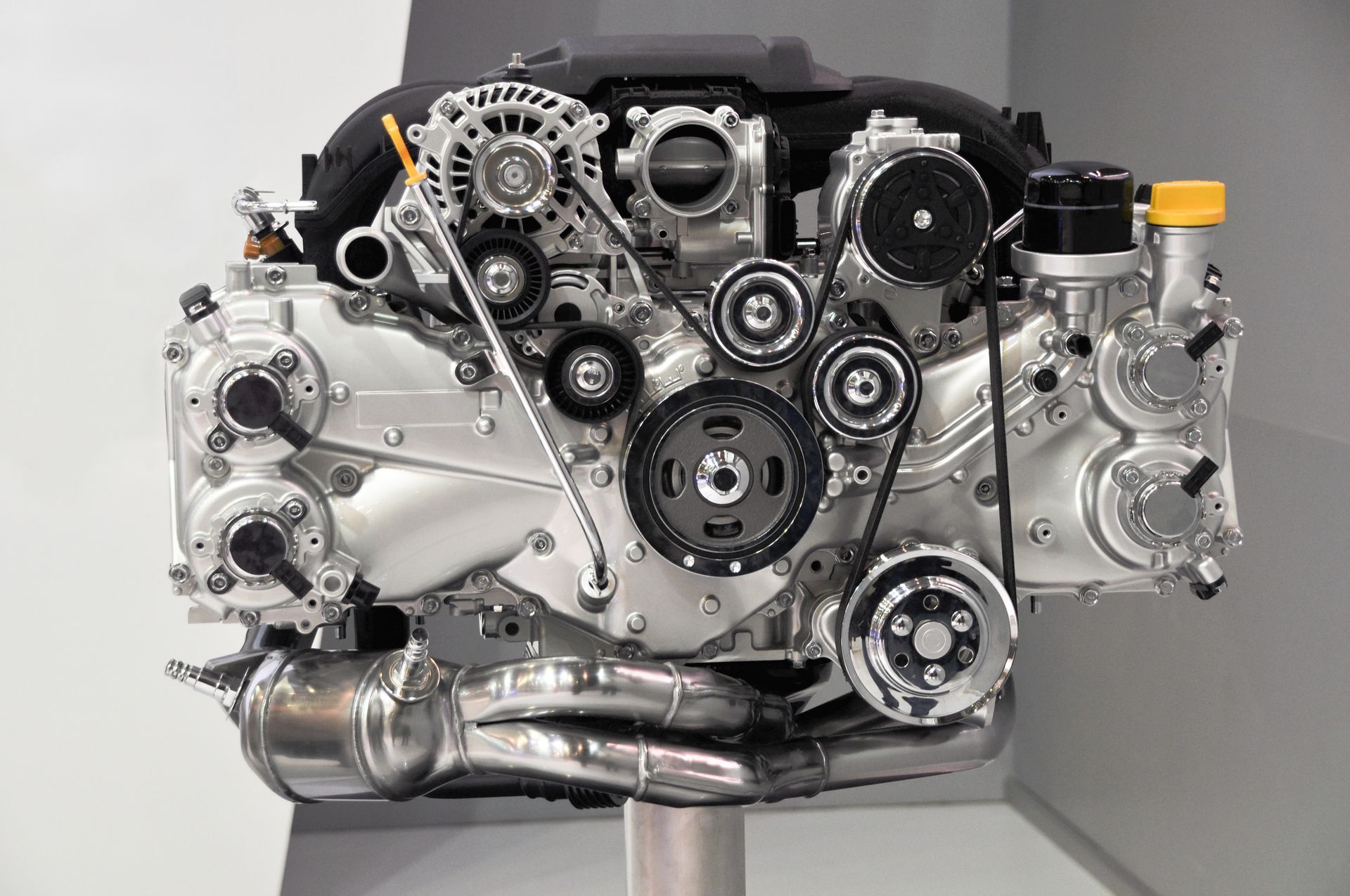
An engine rebuild involves disassembling the existing engine, inspecting its internal parts, machining components where necessary, and replacing worn or damaged pieces. Depending on the problem, that can include bearings, piston rings, gaskets, seals, timing components, pistons, or cylinder-head work.
The advantage is that the repair can be tailored to what the engine actually needs. If the block and major hard parts are still in good condition, rebuilding can restore compression and oil control without buying another complete engine. The downside is labor. Proper rebuilding takes time, careful measurement, machine work, and precise assembly.
Engine Replacement Can Reduce Labor and Uncertainty
Replacing the engine means removing the failed unit and installing another complete or nearly complete engine. That replacement might be new, remanufactured, or used depending on the vehicle and what is available.
A quality remanufactured engine can make financial sense when the original engine has widespread wear or severe internal damage. Much of the internal machining and assembly has already been completed, and many remanufactured units include warranty coverage. Installation can also be more predictable than opening an engine and discovering additional damage halfway through a rebuild.
The Amount of Damage Can Decide the Question Quickly
A rebuild becomes less attractive when the engine block is cracked, cylinders are badly damaged, the crankshaft needs extensive work, or several major components have failed at once. Machine-shop costs and replacement parts can pile up quickly in those situations.
At our shop, we want to understand the extent of the failure before discussing a major repair. An inspection may include compression or leak-down testing, oil-pressure checks, examining metal in the oil, cooling-system testing, or looking inside cylinders with a borescope. If the engine has been severely overheated or run without oil pressure, we assume nothing until we properly assess the damage.
A Used Engine Can Be Cheaper but Comes With More Risk
A used engine can have the lowest initial price, which makes it attractive when the vehicle itself does not justify the cost of a remanufactured engine. The tradeoff is that its history is often limited.
Mileage matters, but so does how the donor vehicle was maintained. A 70,000-mile engine that rarely received oil changes can be a worse choice than one with higher mileage and good service history. Warranty terms also vary considerably. If we recommend a used engine, we factor in its source, mileage, condition, warranty, and the labor involved if that engine develops a problem later.
Look at the Entire Vehicle Before Spending Thousands
Never make an engine decision in isolation. If the transmission is slipping, the frame is badly rusted, the suspension needs extensive work, and several electrical problems are waiting in line, installing an expensive engine may not make financial sense.
On the other hand, a well-maintained vehicle with a solid transmission, good body, and no major upcoming repairs can be worth saving. This is where regular maintenance records help. Knowing what has already been repaired makes it easier to judge whether an engine repair gives you several more useful years or simply starts another round of expensive work.
Compare Total Cost, Warranty, and Expected Life
The lowest estimate does not automatically provide the best value. We compare the complete installed cost, including fluids, gaskets, mounts, hoses, cooling-system parts, and any other items that should be addressed while the engine is out.
Warranty coverage deserves close attention too. A remanufactured engine with strong parts and labor coverage can carry less financial risk than a cheaper used engine. A properly rebuilt original engine can also be an excellent choice when the machine work and internal parts are handled correctly. The best option is the one that gives the vehicle a realistic service life for a cost that makes sense.
Do Not Make the Decision Until the Failure Is Confirmed
Major engine repairs are too expensive to base on a noise, warning light, or one low compression reading. A misfire can come from ignition or fuel problems, oil consumption can have several causes, and some cylinder-head failures can be repaired without rebuilding the entire engine.
We diagnose first, then compare the realistic options. That keeps you from paying for an engine replacement when a smaller repair would solve the problem, or investing heavily in a rebuild when the existing engine has too much damage to be a good foundation.
Get Engine Rebuild and Replacement Service In Glen Burnie, MD, With Maryland Auto & Truck Repair
If your engine has serious internal damage and you are trying to decide between rebuilding it or replacing it, Maryland Auto & Truck Repair in Glen Burnie, MD, can evaluate the engine and compare the options based on cost, condition, warranty, and expected vehicle life.