A diesel that starts promptly in the afternoon may sound very different after a cold overnight stop. The starter turns longer, the engine catches unevenly, or it refuses to fire at all. Cold weather can expose several weaknesses at once, which is why replacing a battery isn't always the complete answer.
Diesel engines depend on heat generated during compression to ignite fuel. Lower temperatures make that process more demanding and can affect the battery, lubricants, and fuel supply. For drivers around Glen Burnie, the best approach is to identify what has changed in the starting process before choosing a repair.
Diesel Starting Depends On Compression Heat
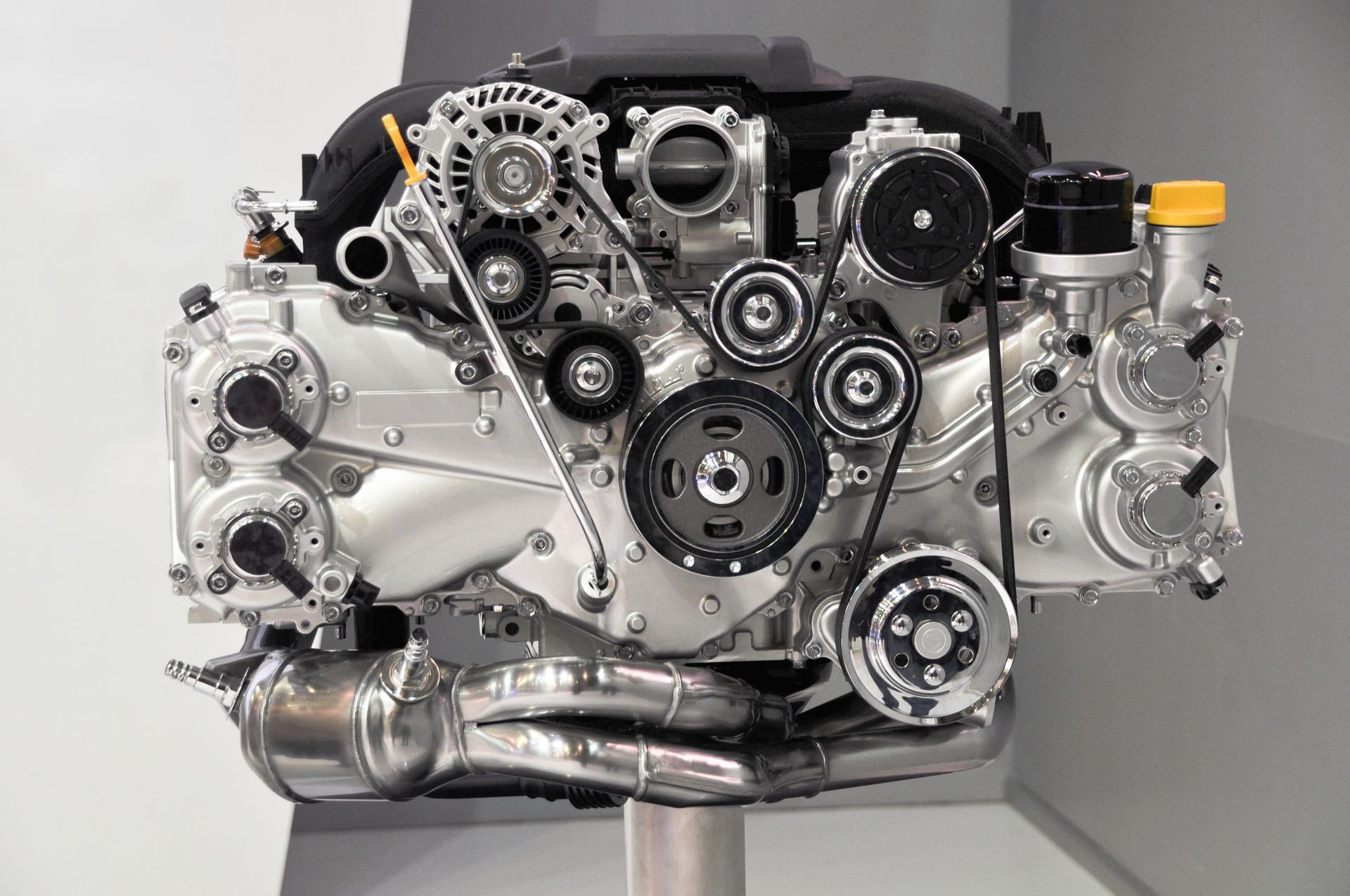
A gasoline engine uses a spark to ignite its mixture. A diesel compresses air until it becomes hot enough for injected fuel to ignite. When the engine is cold, its metal surfaces absorb heat from that compressed air, leaving less heat available for reliable combustion during the first revolutions.
The engine's design and condition affect how well it handles that challenge. Adequate cranking speed, suitable fuel delivery, and any fitted starting aids support the process. An older engine with mechanical wear may struggle differently from a modern diesel with an electrical or control-system fault, even if both take longer to start.
Glow Plugs And Intake Heaters Support Cold Starts
Many diesels use glow plugs to provide heat near the combustion area. Others use an intake heater or a different starting arrangement. Follow the pre-start indication and instructions for your vehicle rather than assuming every diesel needs the same waiting period or repeated ignition cycling.
A failed heating element, control module, relay, connection, or temperature input can interfere with the aid's operation. The engine may be especially difficult to start when cold and behave better once warm. Before replacing parts, test the system fitted to the engine, including its power supply and controls.
Diesel Batteries Need To Support Strong Cranking
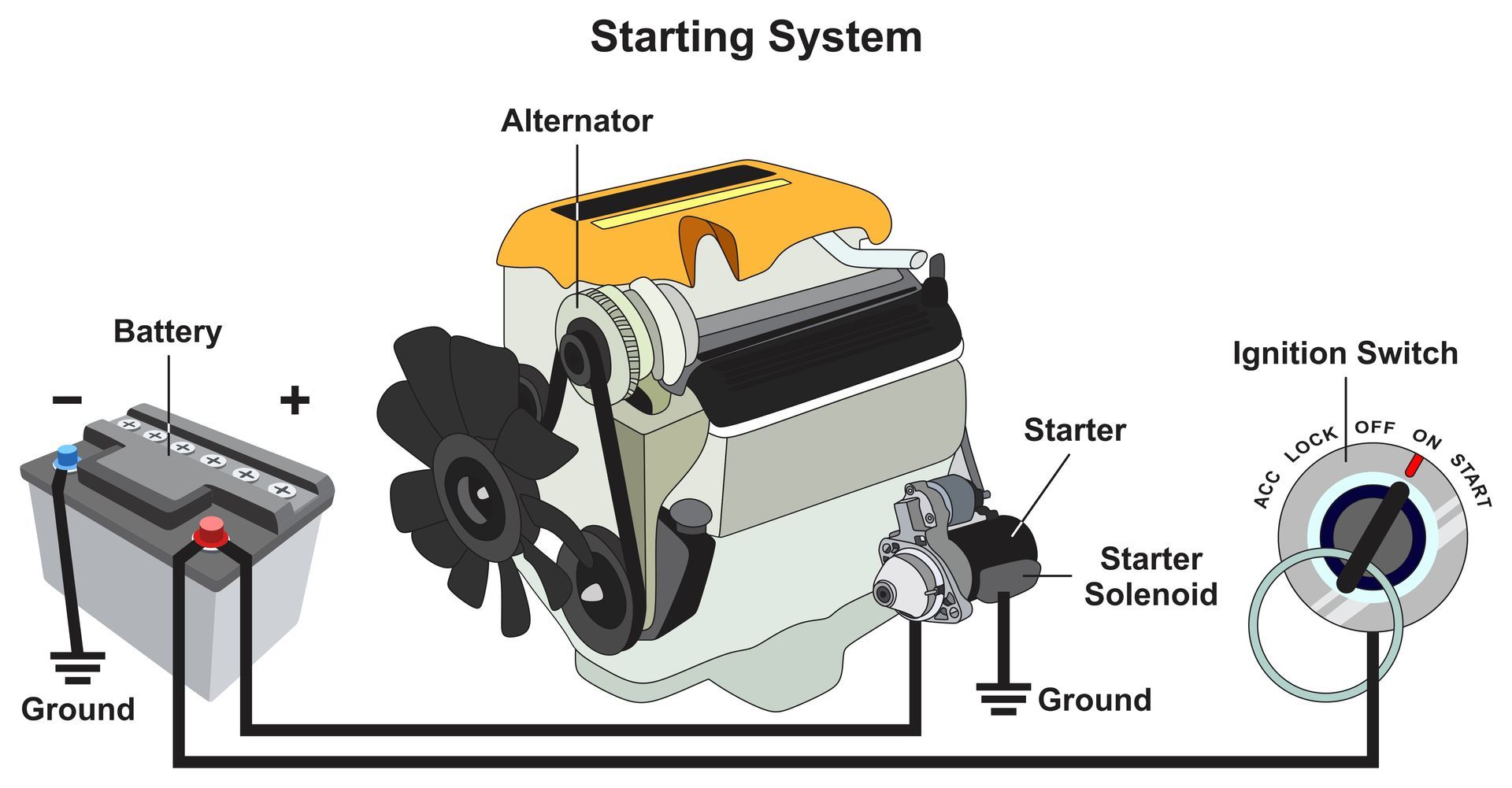
Cold temperatures reduce the power available from a lead-acid battery while the engine can require more effort to turn. Some diesel trucks use more than one starting battery. A weak battery or a poor connection between components can affect the performance of the entire starting system.
Have the batteries tested according to the vehicle's configuration. Connections, cables, grounds, and starter demand belong in the inspection as well. A truck that cranks too slowly may not generate the conditions needed for combustion, even when fuel and heating aids are available. A parked voltage reading alone can't explain every slow start.
Cold Diesel Fuel Can Become Harder To Deliver
Diesel fuel characteristics change with temperature. In sufficiently cold conditions, wax crystals can form and restrict flow, particularly through the fuel filter. Water contamination can also freeze and obstruct the supply. The temperature at which trouble begins depends on the fuel and conditions, so one universal cutoff is misleading.
Use season-appropriate fuel and follow the vehicle manufacturer's guidance on approved additives. Some products are intended to prevent cold-flow problems before they occur; that doesn't make them a guaranteed remedy for an already restricted system. Fuel-filter and water-separator service should follow the truck's requirements, with the source of contamination addressed when found.
Engine Oil Can Affect Diesel Cranking Speed
Cold oil offers more resistance than warm oil. The specified viscosity and performance standard help the engine receive suitable protection across its intended operating temperatures. Using an unsuitable product can add to the starting challenge, but choosing a thinner oil without checking the requirements can create other problems.
Review the service history if hard starting began after maintenance. The technician can confirm the oil used and consider other signs of abnormal resistance. Avoid repeatedly cranking the engine in long bursts. Follow the starter operating limits and pauses in the manual so a cold-start problem doesn't become a damaged starter or fully discharged battery.
Fuel-System And Engine Wear Can Show Up In The Cold
An engine that turns at its usual speed but takes too long to fire may need checks beyond the battery. Fuel pressure, injector operation, air entering the fuel supply, temperature signals, and mechanical condition can all affect starting. The available tests depend on the engine and fuel-system design.
Smoke during an unsuccessful start can provide context, but its color doesn't identify the failed part on its own. Tell the shop whether the engine starts roughly and then smooths out, runs poorly after warming, or loses power during driving. Those differences help connect the starting complaint to the relevant systems.
Useful Information For A Diesel Starting Inspection
Bring observations that describe the morning conditions:
- The outside temperature when the problem occurred.
- Whether the starter turned slowly or at its normal speed.
- Whether the preheat indicator behaved differently.
- Recent fuel stops, filter service, or battery work.
- Whether the engine restarted normally later the same day.
These details help separate a cold-weather pattern from a problem that also affects warm starts. A recording taken safely while parked can help, especially if the truck starts normally by the time it reaches the shop.
Use Diesel Starting Aids Only As Directed
If your vehicle has an approved engine heater, use it according to the manufacturer's instructions, including its electrical requirements. Such equipment can help in suitable conditions, but it won't repair worn injectors, failed glow plugs, or a restricted fuel supply. Check the cord and connection rather than treating a damaged heater as a shortcut.
Avoid improvised heating methods or unapproved starting fluid, particularly on engines with glow plugs or intake heaters. If the vehicle won't start within its permitted attempts, arrange help. Once it runs, follow the warm-up instructions and avoid heavy loading before the engine reaches suitable operating conditions.
Get Diesel Starting Service In Glen Burnie, MD
Maryland Auto & Truck Repair in Glen Burnie, MD, can inspect hard diesel starts and check the relevant battery, heating, fuel, and engine systems. We can explain what the results show and discuss the maintenance or repair needed for your vehicle's configuration.
Contact us to schedule an inspection for cold-morning diesel starting trouble.