The check engine light comes on, so you stop at an auto parts store for a free scan.
The employee reads a code, prints a description, and suggests a part. The printout gives you a clue, but it still doesn't tell you what's wrong with the car or which repair will fix it. A code scan and a professional diagnostic test aren't the same service. Understanding the difference often keeps you from paying for parts that never needed replacing.
What a Free Check Engine Light Code Scan Actually Tells You
A basic code reader communicates with the car's onboard diagnostic system and retrieves stored trouble codes. The code identifies a condition the vehicle detected, such as a lean fuel mixture, an engine misfire, or an emissions performance issue. Many free scans also provide a short explanation of what the code means and a list of commonly associated parts.
That list doesn't establish which component failed. If the scan displays an oxygen sensor code, the sensor may be responding correctly to an exhaust leak or fuel mixture problem. Replacing the sensor without testing the cause leaves the warning light ready to return. A free scan provides a starting clue, not proof that a particular component failed.
Professional Engine Diagnostics Look Beyond the Trouble Code
A diagnostic appointment starts with the symptom, not just the code number. We ask when the warning first appeared, how the engine behaved, and what changed immediately beforehand. From there, a technician checks relevant vehicle data and tests the system involved. The goal is to explain why the computer recorded the fault.
On a car that hesitates during acceleration, that might mean watching fuel pressure and ignition behavior under load.
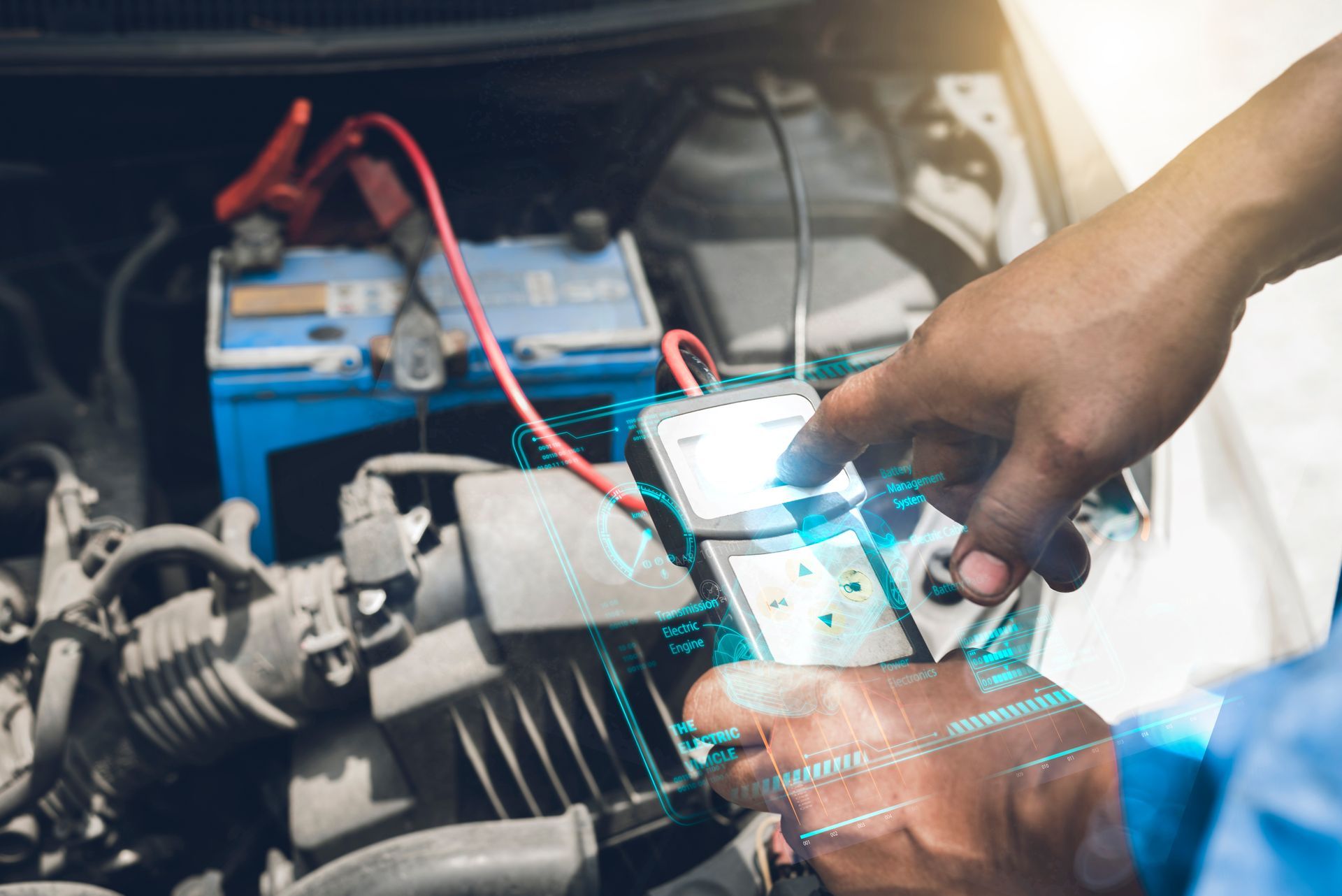
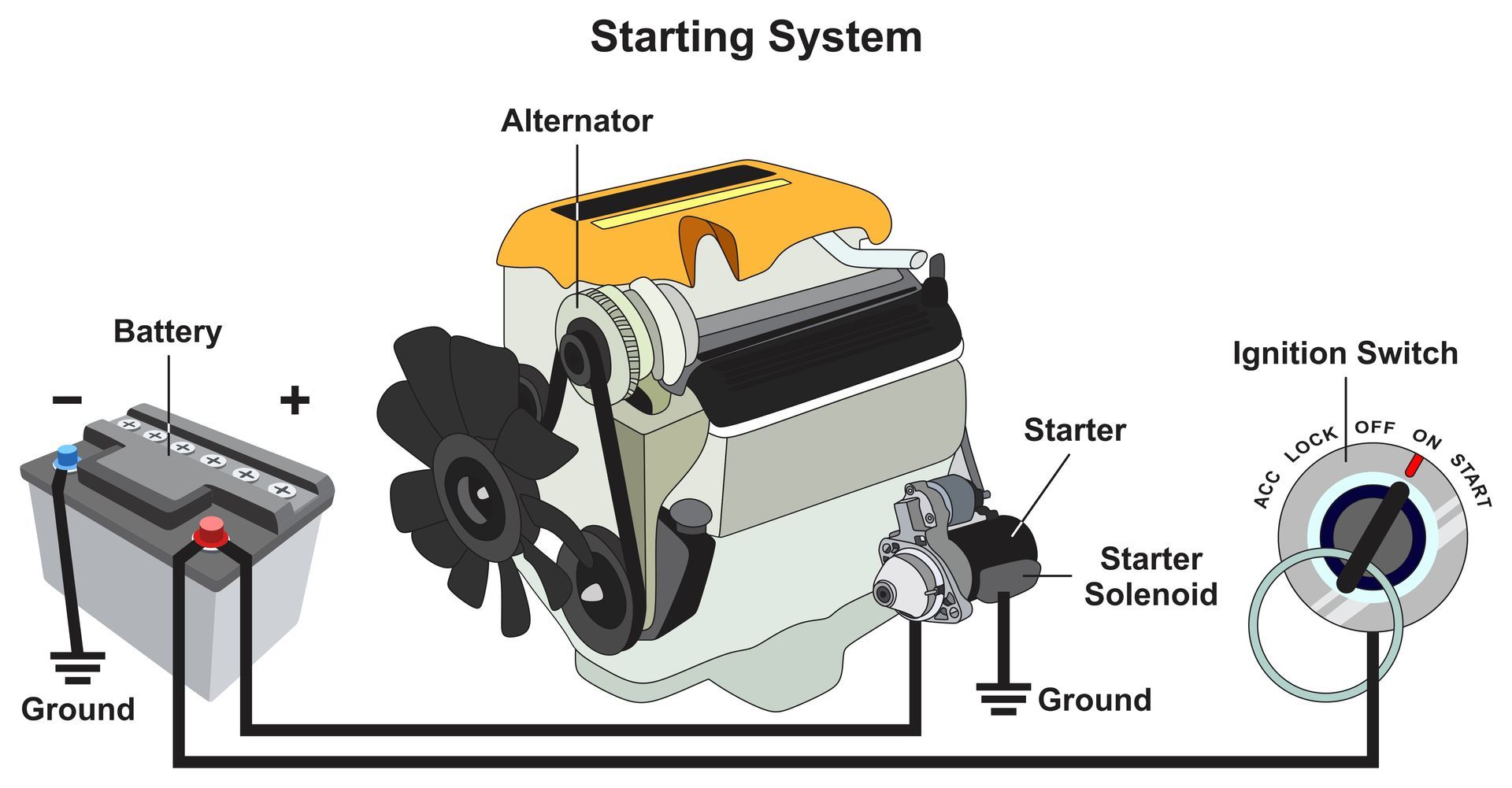
For an intermittent no-start, it means testing battery voltage and starting inputs while the failure occurs. A diagnostic test should provide evidence to support the repair recommendation, even when the fault turns out to be a loose connection instead of a costly part.
Live Data and Freeze-Frame Information Help Find the Cause
Modern vehicles record much more than trouble codes. Freeze-frame information captures certain operating conditions when a fault was stored. Depending on the vehicle, it shows engine speed, temperature, vehicle speed, fuel trim, and other data. That record helps when a warning appears only during highway driving or after the engine warms up.
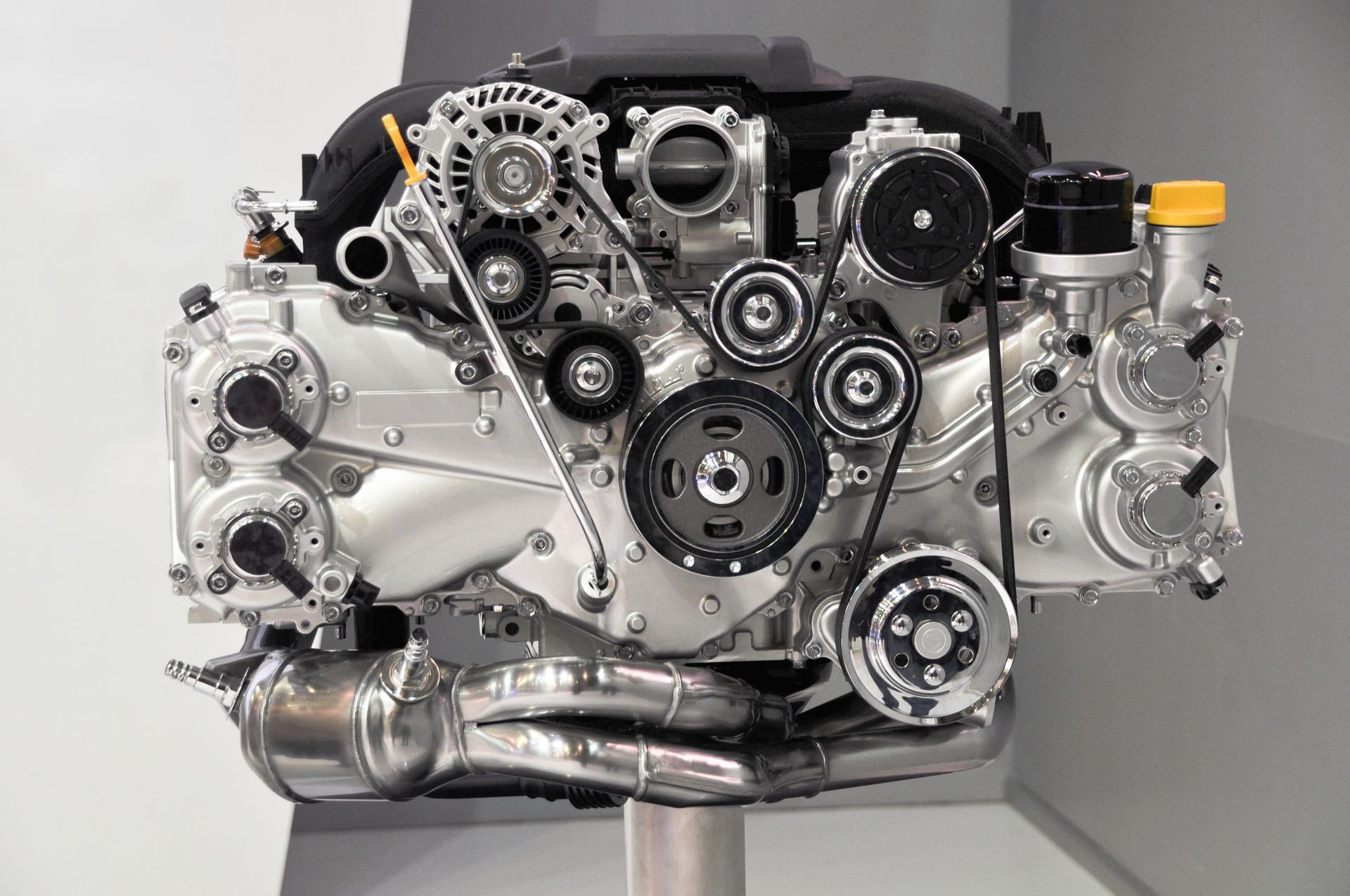
Professional scan equipment also displays live sensor information. A technician compares what the engine computer expects with what the sensors report while the car is running. On a lean-running engine, fuel trims show how hard the computer is correcting the mixture. The next tests separate unmetered air from a lack of fuel. Those readings guide testing. They don't replace checking the actual hoses, pressure, wiring, and mechanical parts.
Why a Trouble Code Does Not Automatically Name the Bad Part
Consider a misfire code naming one cylinder. The spark plug might be worn, but the ignition coil, fuel injector, wiring, compression, or a vacuum leak near that cylinder could be responsible. The code correctly identifies where the engine noticed uneven combustion. It doesn't know which repair belongs on the invoice.
The same problem comes up with catalytic converter efficiency codes. The converter could be worn, or an exhaust leak, fuel control issue, or unresolved misfire could be affecting its readings. Replacing the most expensive part first is not an effective diagnostic strategy.
We test the likely causes and look for results that match both the code and how the car behaves.
What Is Included in a Complete Car Diagnostic Inspection?
The exact tests depend on the vehicle and the symptom. A proper inspection might involve electrical measurements, a smoke test for intake leaks, fuel pressure testing, or a monitored road test. We don't run every test on every car. We choose the ones that answer the question the current evidence raises.
The information worth bringing to the appointment includes:
- When the warning light first appeared
- A flashing or steady warning light
- Any rough idle, hesitation, or hard starting
- The code numbers from an earlier scan
A photo of the dashboard warning or the original scan printout helps too. If the light is flashing and the engine runs rough, avoid driving. A severe misfire puts the catalytic converter at risk.
Why Diagnostic Time Is Charged Separately From Repairs
A free scan usually takes a few minutes. A diagnostic test may require accessing components, reproducing a problem, interpreting live data, and measuring circuits with specialized equipment. That work takes skill and time, even when the repair turns out to be simple. The fee covers testing and interpretation, not just reading a number from a screen.
Ask what testing the shop plans to perform and how the findings will be explained.
Some intermittent problems require additional time because the vehicle behaves normally during the first visit. Ask the shop to walk you through its findings. You should understand what has been confirmed, what remains uncertain, and why the recommended repair follows from the testing.
When You Should Schedule a Professional Diagnostic Test
If the check engine light returns after a repair, the engine misfires, the car stalls, or a warning appears with poor performance, a code printout alone isn't enough. The same applies when several warning lights come on together. Low voltage or a communication problem can trigger faults across multiple systems that look unrelated until the electrical supply is checked.
A warning that stays on should be checked before an inspection deadline or a long trip, even if the car drives normally. The sooner the condition is documented, the easier it is to connect the symptoms with the stored data. Guessing becomes expensive when you repeatedly replace parts without proving why the computer turned on the light.
Get Professional Car Diagnostics in Glen Burnie, MD, With Maryland Auto & Truck Repair
Maryland Auto & Truck Repair in Glen Burnie, MD, checks fault codes alongside live data, electrical measurements, and the vehicle's actual symptoms. For engine, charging, or other electronic faults, the aim is the same: prove what failed before recommending repairs.
Bring the code printout if you have one. It gives us a starting point for finding the actual fault.